
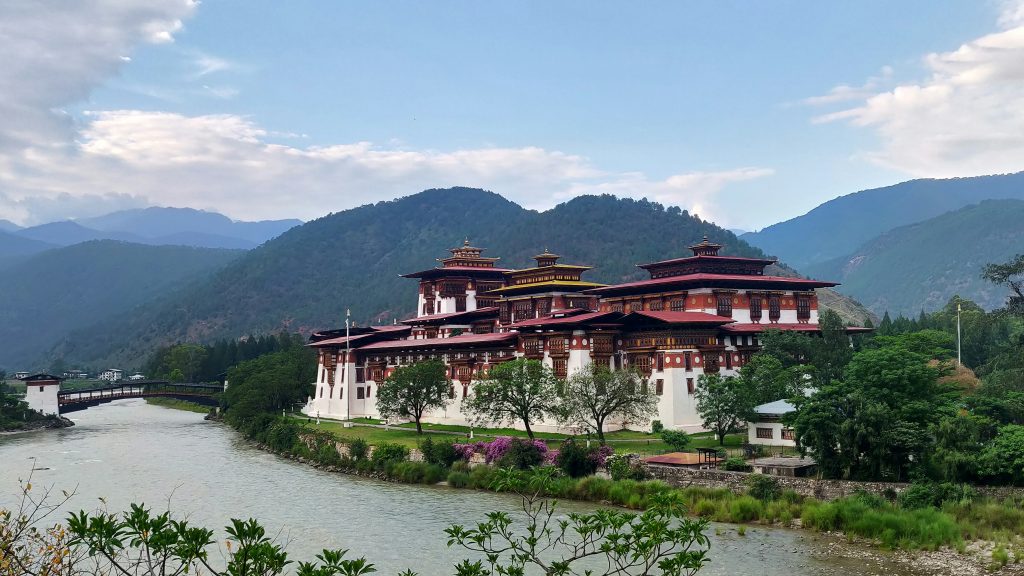
This tiny kingdom leads with wisdom—protecting nature like a national treasure and proving that green is power.
Bhutan’s Ecological Vision
Bhutan is not only famous for its stunning landscapes, but also for its deep commitment to protecting the environment. In this peaceful Himalayan kingdom, nature isn’t just respected it is protected with firmness and love.
As one of the world’s most eco-conscious nations, Bhutan embraces a powerful belief: that caring for nature is essential to true happiness. This idea isn’t just a motto—it’s woven into everyday life.
Forest conservation is even written into the country’s constitution, showing that environmental protection is a core part of Bhutan’s identity. According to Bhutan’s Nature Conservation Division, more than 51% of the country’s land is officially protected. This includes five national parks, four wildlife sanctuaries, one strict nature reserve, and eight biological corridors—together forming an extensive network of safe habitats for rare and endangered species.
Clear Air, Clear Identity
Bhutan is often regarded as one of the countries with the purest environment in South Asia. The air carries the soothing scent of forests and the refreshing chill of mountain mist. Crystal-clear rivers flow through untouched valleys, blending seamlessly with a natural landscape where wilderness still reigns.
This nation offers what may be the cleanest air on Earth—fresh, cool, and free from pollution. While many countries grapple with smog and environmental degradation, Bhutan stands out as a rare ecological oasis, demonstrating that protecting nature can profoundly enhance quality of life.
This view is supported by findings from the report Bhutan Country Environmental Analysis: Taking the Green Growth Agenda Forward, published by the International Bank for Reconstruction and Development/The World Bank. The report highlights Bhutan’s exceptional commitment to environmental preservation, ecosystem protection, and its progressive approach to sustainable green growth.
The World’s Only Carbon-Negative Nation
What’s most inspiring is Bhutan’s distinction as the world’s only carbon-negative country. Its forests absorb approximately 6 million tons of carbon dioxide each year—more than double the nation’s total emissions.
This remarkable achievement is rooted in Bhutan’s constitution, which mandates that a minimum of 60% of the nation’s land must remain forested for all time. This legal safeguard ensures that future generations inherit a thriving, healthy environment
Initiatives like “Bhutan for Life” illustrate how Bhutan’s environmental policies extend beyond its borders, fostering international collaboration to secure long-term conservation funding. By interweaving legal frameworks, cultural values, and global partnerships, Bhutan has become a powerful symbol of hope for the planet’s future.
High-Value Tourism
In Bhutan, every policy—including tourism—is crafted to preserve ecological harmony. The government discourages mass tourism to protect fragile ecosystems and promotes sustainable development that aligns with cultural values. Central to this vision is the “High Value, Low Impact” approach, which welcomes environmentally conscious travelers who respect local traditions and tread lightly on the land.
According to the Department of Tourism, Bhutan does not impose limits on the number of visitors. Instead, it upholds rigorous sustainability standards to ensure tourism benefits both people and the planet.
Dorji Dhradhul, Director General of the Department of Tourism, emphasized that Bhutan welcomes all tourists. However, he noted that the country encourages visitors to travel responsibly and contribute meaningfully to its communities and environment.
As defined by the Department of Tourism, this model ensures that tourism contributes meaningfully to national development while safeguarding the country’s environment and heritage.
Core Elements of the Policy:
- Sustainable Development Contribution: A nightly fee of USD 100 is levied on international visitors. This funding is directed toward preserving the environment, safeguarding cultural heritage, enhancing infrastructure, and supporting local development initiatives.
- Regulated Entry to Protected Sites: Entry into ecologically sensitive zones, sacred landmarks, and national parks is strictly managed to minimize ecological impact and ensure long-term preservation.
- Locally Driven Tourism: Communities are actively involved in shaping and managing tourism activities. This approach ensures that financial gains are equitably distributed and that traditional customs are honored.
- Environmental Certification Standards: Tour operators and hospitality providers must comply with established sustainability benchmarks to earn certification, fostering eco-conscious practices throughout the tourism sector.
Bhutan’s policy demonstrates that tourism can be a force for good, fostering meaningful connections, honoring cultural values, and protecting nature for future generations.
Green Energy, Sustainable Future
Amid the hustle and bustle of the modern world, Bhutan stands serene in the heart of the Himalayas, offering a valuable lesson in sustainability. Bhutan not only protects its forests and clean air—it also relies on renewable energy as its main source of electricity. More than 99% of Bhutan’s electricity comes from hydropower, which is environmentally friendly and even exported to neighboring India.
With clean energy, Bhutan keeps carbon emissions low while continuing to grow its economy. The government also promotes green innovations such as electric vehicles and organic farming that do not harm soil or water.
Bhutanese lifestyles are deeply connected to nature. This is reflected in daily practices, from sustainable farming to traditional ceremonies involving natural elements. Many people still live simply and use natural resources wisely. They preserve traditions, celebrate cultural festivals, and build homes in ways that do not damage the environment.
The Bhutanese government reinforces these values through policies that support the environment. Here, sustainability is a legacy passed down from one generation to the next.
Gross National Happiness: A New Measure of Well-Being
While many countries race to boost economic figures, Bhutan chooses a different path. This Himalayan nation believes that the happiness of its people matters more than material wealth. That’s why Bhutan created something truly unique: Gross National Happiness (GNH).
GNH is not just a slogan—it’s Bhutan’s official framework for measuring national progress. Instead of focusing on income or production, it evaluates how happy, healthy, and balanced people’s lives are.
The Bhutanese government uses GNH to guide decisions in education, environmental protection, cultural preservation, and development.
The GNH index is built on four foundational pillars:
- Equitable and sustainable socio-economic development
- Environmental conservation
- Preservation and promotion of culture
- Good governance
From these pillars, Bhutan developed nine domains of life assessed through national surveys. These include whether people feel happy, have enough time for family, live healthily, learn, preserve traditions, and reside in safe environments.
Every five years, Bhutan conducts a nationwide survey to measure its people’s happiness. The results are used to improve policies and ensure development does not harm nature or culture.
GNH is a reminder that success is not just about money. Bhutan teaches us that a balanced, healthy, and meaningful life is a goal worth pursuing.
Bhutan’s Legacy of Environmental Wisdom
In Bhutan, sustainability isn’t just a government policy—it’s a shared responsibility embraced by communities in their daily lives. From an early age, people are taught to respect nature and live in harmony with their surroundings.
This deep-rooted cultural mindset is supported by national policies that prioritize ecological balance and long-term well-being.
Bhutan shows us that even a small country can make a big difference. Its dedication to clean energy, environmental conservation, and cultural preservation offers a powerful example for the rest of the world.
And just like Bhutan, each of us can be part of the solution—by living more mindfully, honoring the natural world, and choosing a future where sustainability matters more than convenience.