
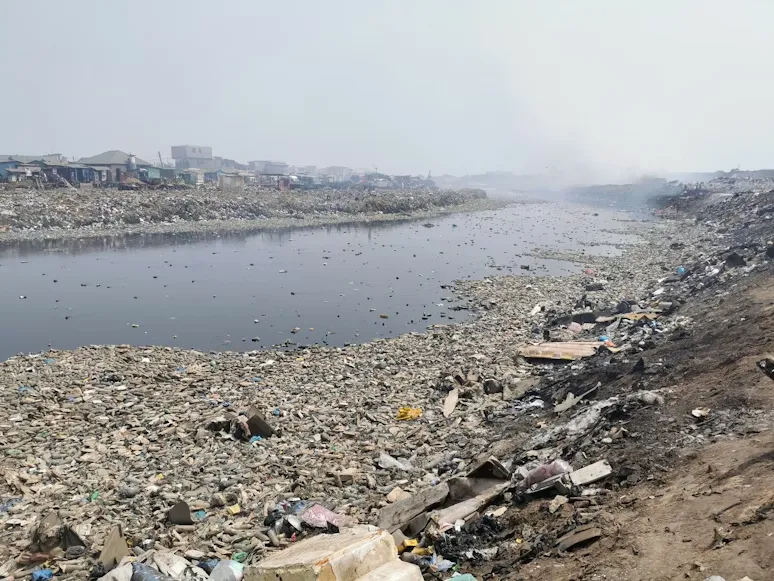
Plastic surrounds our lives, yet it poses serious risks to life. From sea to sky, its toxic trail endangers ecosystems, human health, and our planet’s future. Act now.
Plastic has become an inseparable part of our daily lives. From morning to night, we constantly encounter it, in household products including kitchenware, toiletries, food packaging, and even children’s toys.
Its presence is so embedded in our routines that we often overlook its impact. Yet behind this convenience lies a growing environmental crisis. Plastic waste pollutes the Earth and threatens all living beings.
Recognizing the urgency of this issue, World Environment Day 2025 has chosen plastic pollution as its central theme. This global observance calls on us to reflect, take responsibility, and act. Without meaningful changes in how we use, dispose, and manage plastic, the consequences will only grow more severe.
Plastic Invasion
The global call for greater awareness of plastic pollution serves as a serious warning. Plastic waste has deeply polluted the environment, disrupted ecosystems, and posed a growing threat to human health.
Just imagine—over 400 million tons of plastic are produced every year, and two-thirds of it is designed for single use. Every minute, around 1 million plastic bottles are discarded. Even more alarming, approximately 14 million tons of plastic waste enter our oceans annually.
By 2025, an estimated 75 to 199 million tons could flood into marine ecosystems. If this trend continues, it will severely contaminate the ocean, endangering countless sea creatures. It’s possible that one day there will be more plastic than fish in the sea.
According to the World Population Review, countries with high population density tend to generate more plastic waste. The top producers include China, the United States, India, Brazil, Mexico, Japan, Germany, Indonesia, Thailand, and Italy.
Many of these nations produce far more plastic waste than they can manage, contributing to one-third of global plastic waste being improperly disposed of. The United Nations Environment Programme (UNEP) estimates that only 10% of global plastic waste is successfully recycled. The rest ends up in landfills, scattered throughout the environment, or incinerated.
Open waste burning remains a widespread practice around the world, particularly in countries lacking adequate waste management infrastructure. In Mumbai, India, for instance, the Urban Ocean Waste Profile reports that open burning of plastic waste releases approximately 22,000 tons of pollutants annually.
Similarly, in Guatemala, many rural households often burn plastic waste as their primary method of disposal due to the absence of collection services and proper facilities. Plastic is also commonly burned to ignite cooking stoves.
A study published in the International Journal of Environmental Research and Public Health revealed that air pollution, particularly from waste combustion, contributes to health hazards including respiratory disorders, cardiovascular diseases, and elevated mortality rates especially among children and the elderly.
As highlighted in 2025 Mismanaged Waste Index, Nigeria, Pakistan, Bangladesh, Ethiopia, Mozambique, Ivory Coast, and Malawi are grappling with critical issues in managing plastic waste. These countries struggle with poor infrastructure and inadequate waste collection systems. As plastic consumption continues to rise, their waste management efforts have been overwhelmed, leading to widespread dumping and open burning of plastic waste.
Earth Action for Impact emphasized the severity of this crisis and warned that plastic waste generated in 2025 has already surpassed the world’s capacity to manage it safely.
Plastic: From Production to Pollution
Plastics are primarily produced using chemical compounds derived from fossil fuels such as crude oil, natural gas, and coal. Historical data shows that plastic production skyrocketed in the 1960s, growing by more than 400%.
This marked the beginning of a rising trend in plastic use, driven by growing consumer demand and widespread adoption across various sectors.
To better understand plastic, the plastics industry categorizes them into seven major types, each with distinct characteristics and specific uses.
- Polyethylene Terephthalate (PET): Commonly found in water bottles, soda bottles, food containers.
- High-Density Polyethylene (HDPE): Used in items like toys, milk jugs, shampoo bottles, and detergent containers.
- Low-Density Polyethylene (LDPE): Seen in plastic bags, cling wraps, and squeezable containers.
- Polyvinyl Chloride (PVC): Applied in construction materials such as pipes and window frames, as well as credit cards and some food packaging.
- Polystyrene (PS), also known as Styrofoam: Frequently used for disposable food containers and cups.
- Polycarbonate (PC): Found in products like eyeglass lenses and electronic components.
- Polypropylene (PP): Used in food storage containers, automotive parts, and medical equipment.
Each type of plastic has its own level of durability and impacts the environment differently. For instance, PET and HDPE are relatively easier to recycle, whereas PVC, PS, and LDPE pose greater challenges due to their complex chemical structures and physical characteristics.
PVC contains chlorine and other additives that make it hard to recycle and can release toxic gases when heated. PS, especially in foam form, is light and fragile, making it difficult to collect and sort, while its low density reduces its recycling value.
LDPE is easily contaminated and hard to clean because it’s thin and flexible. Although chemical recycling methods exist for these materials, they often require high energy and are costly.
Non-biodegradable plastics are a major contributor to soil pollution. As they degrade, they release harmful chemicals like Bisphenol A (BPA). BPA is a synthetic compound commonly combined with other chemicals to produce polycarbonate (PC) plastics and epoxy resins.
BPA is often called a “parent” plastic because it helps make many strong consumer products. It’s commonly used in heat-resistant items like food packaging, drink containers, and children’s goods. Yet, BPA can leach into food and drinks, especially when exposed to heat, acidity, or physical wear. This leaching process endangers health.
Plastic pollution endangering marine ecosystems across the globe. A global study led by Carmen Morales-Caselles from the University of Cádiz discovered that the oceans are heavily contaminated with plastic waste, including bags, bottles, food containers, disposable cutlery, wrappers, fishing gear, and industrial packaging.
Fish, turtles, dolphins, and seabirds often mistake plastic debris for food. Ingestion can lead to internal injuries, severe infections, and, in many cases, death. Additionally, these animals frequently become ensnared in abandoned fishing nets and plastic packaging bands, which can inflict deep wounds or result in drowning.
The Convention on Biological Diversity reported that plastic pollution has impacted seven species of sea turtles, nearly half of all marine mammal species, and over one-fifth of seabird species. Coral reefs and other vital marine ecosystems are also increasingly degrading at a rapid pace.
Plastic pollution isn’t confined to oceans. On land, livestock often ingest plastic mixed with feed, leading to internal injuries or even death. Researchers from the University of Portsmouth have highlighted that in parts of the Global South, domestic animals forage in open waste dumps due to their owners’ inability to provide adequate feed. In Kenya, a cow was found with 35 kilograms of plastic in its stomach. Other animals, such as donkeys, have endured similar suffering.
Plastic pollution harms more than just animals—it also damages the environment and worsens climate change. From production and manufacturing to disposal and environmental breakdown, each stage of the plastic life cycle releases toxic chemicals and greenhouse gases into the atmosphere and intensifies global warming.
Microplastic: The Silence Menace
Microplastics have emerged as a hidden danger to the environment. These tiny particles, ranging in size from 1 micrometer to 5 millimeters, were first defined as “microplastics” in 2004. Since then, they have been found in soil, air, oceans, freshwater sources, and even in the food we consume.
Microplastics vary widely in shape, color, size, and density depending on their origin and chemical composition. They are generally classified into two categories:
- Primary microplastics, which are intentionally manufactured as small particles and commonly used in cosmetics or biomedical products.
- Secondary microplastics, which result from the breakdown of larger plastic items such as food packaging, plastic bags, bottles, tires, and synthetic textiles.
Over time, larger pieces of plastic waste degrade into microplastics and even smaller fragments known as nanoplastics—particles less than 1 micrometer in size (1 µm or 1,000 nanometers).
This process is driven by exposure to wind, waves, sunlight, and even animal digestion. Nanoplastics are so tiny they’re invisible to the naked eye. Imagine them as thousands of times smaller than a grain of sand. You’d need a microscope to see them.
What is deeply troubling is the presence of microplastics in items we consume daily, including sea salt, seafood, vegetables, fruits, rice, meat, milk, and even tea. Numerous studies have confirmed that microplastics have infiltrated the food supply through marine products, as well as agricultural and processed goods.
A study in Environental Science & Technology analyzed 39 global salt brands, including 28 sea salts from 16 countries, and found microplastics in all types: sea salt, rock salt, and lake salt. Sea salt showed the greatest variation in microplastic levels, with Asian samples containing the highest concentrations, likely due to regional environmental factors.
Research led by Margherita Ferrante at the University of Catania discovered that fruits tend to contain more microplastics than vegetables, likely due to fruit-bearing trees accumulating pollutants over their longer lifespans.
Another study detected microplastics smaller than 10 micrometers in vegetables, ranging from 52,000 to over 230,000 particles per gram. Among the samples tested, lettuce showed the highest levels, underscoring the vulnerability of leafy greens to contamination from air and soil.
Surprisingly, tea is no exception. Research from McGill University in Canada found that tea bags made from nylon or PET plastic can release up to 11.6 billion microplastic particles and 3.1 billion nanoplastics into a single cup of tea when brewed in hot water.
Beyond beverages, ultra-processed foods are prone to plastic contamination due to prolonged contact with packaging materials during manufacturing. A study published in Globalization and Health revealed that the risk increases when packaging is heated, reused, or exposed to sunlight.
Seafood is increasingly threatened by microplastic contamination. Mussels are particularly at risk when harvested from polluted waters. Researchers at the University of Ghent in Belgium estimate that frequent mussel consumers may ingest up to 11,000 microplastic particles each year. EcoWatch has also reported microplastic contamination in 386 aquatic species—more than half of which are commercially harvested for human consumption.
A working paper from the Scientists’ Coalition for an Effective Plastics Treaty revealed that synthetic textiles are among the largest contributors of microplastics in the ocean. About 35% of these particles come from materials such as polyester, nylon, and acrylic, which are primarily released during the washing of clothes.
Tire abrasion further worsens the impact. As tires wear down, microscopic particles are released into the air, rivers, and oceans. This process carries toxic compounds such as 6PPD-quinone, which has been directly linked to mass salmon die-offs in the Pacific Northwest.
The severity of plastic pollution in the oceans has also been highlighted by research from Kyushu University in Japan, which estimates that the upper layer of the oceans contains approximately 24.4 trillion microplastic particles.
Another study revealed that microplastics not only float on the ocean’s surface but are also found on the seabed even in the deepest zones. Among the most affected are plankton, microscopic organisms that play a crucial role in oxygen production and carbon dioxide absorption.
When plankton ingest microplastics, their ability to grow, reproduce, and regulate the ocean’s carbon cycle is disrupted. This imbalance not only reduces oxygen levels but also weakens the ocean’s function as a climate stabilizer.
How Microplastics Harm Our Health
The study of microplastics is expanding rapidly, yet remains complex due to various factors such as particle size, shape, chemical composition, and concentration. Multiple studies have highlighted the potential dangers and health risks associated with exposure to these particles.
A comprehensive review from MD Anderson Cancer Center, University of Texas identified that nanoplastics can enter human cells and circulate throughout the body via air, food, and drink.
A study in the African Journal of Reproductive Health estimated that humans ingest up to 100,000 fine plastic particles each day. These particles come from various sources—including synthetic clothing fibers, worn-out vehicle tires, and urban dust. Continuous exposure to them may lead to serious health effects, including chronic inflammation and respiratory disorders, and an increased risk of asthma and bronchitis.
Researchers have detected microplastics in the brain, lungs, blood, liver, reproductive organs, placenta, breast milk, urine, and feces. Significant exposure comes from contaminated seafood, which can lead to cellular dysfunction, inflammation, and even DNA damage. Once inside the body, toxic additives in plastics may serve as carriers for harmful bacteria or viruses, thereby increasing the risk of infectious diseases.
Long-term exposure to chemicals in plastics has been linked to fertility issues. Tracey Woodruff, a microplastics researcher and professor at UC San Francisco, warns that chemicals commonly found in plastics such as BPA, phthalates, and PFAS (a group of synthetic compounds) can mimic human hormones.
These hormones regulate vital functions including reproduction, growth, and metabolism. Exposure to BPA has been associated with reproductive disorders and developmental problems, particularly in infants and young children.
Researchers at the University of California, San Francisco have identified a correlation between microplastic exposure and an increased risk of colorectal and lung cancer. In a major breakthrough, researchers from the Netherlands and the United Kingdom detected tiny plastic particles embedded in the lung tissue of living surgical patients.
Microplastics have also been associated with heart disease. One study revealed that individuals with microplastics in their carotid arteries were twice as likely to suffer a stroke, heart attack, or die within three years compared to those without such exposure.
Furthermore, microplastics have even been found in human bones, including bone marrow. Research published in Osteoporosis International indicates that these particles stimulate the formation of osteoclasts—cells that break down bone tissue—potentially disrupting stem cell function. This disruption can weaken bone structure, accelerate cellular aging, trigger inflammation, and make bones more prone to deformation and fractures.
Daily Defense Against Microplastics
While it’s nearly impossible to eliminate microplastics from daily life, several practical steps can significantly reduce exposure:
- Avoid heating food in plastic containers: Items like plastic takeout boxes, and frozen meals can release microplastics when microwaved. Even baby bottles pose a risk. A study from the University of Nebraska–Lincoln found that some baby food containers labeled as “microwave-safe” can release up to 4 million microplastic particles per square centimeter.
- Limit consumption of high-risk seafood: Shellfish, fresh fish, canned, or dried seafood from polluted waters may contain microplastics.
- Avoid nonstick and plastic-based cookware. Replace plastic cutting boards with wood alternatives. Use foil instead of plastic wrap.
- Choose glass containers: Store spices, oil, rice, peanut butter, honey, pickles, and beverages in glass jars. Glass is a safer material and does not release toxic substances, unlike certain types of plastics.
- Use personal utensils and dishes at work to replace disposable plastic cutlery and plates.
- Carry your own coffee cup for takeout drinks: This simple habit cuts down on single-use plastic items.
- Choose glass or stainless-steel bottles for storing water. Use eco-friendly straws made of stainless steel or bamboo as alternatives to plastic straws.
- Select wooden toys for babies and young children to avoid plastic-based materials that may contain harmful chemical additives.
- Use reusable shopping bags: An easy yet impactful habit to reduce plastic pollution.
By making small changes to reduce plastic use, especially single-use plastics, individuals not only promote a healthier lifestyle and a cleaner environment but also embrace a personal responsibility toward the Earth. Even modest adjustments reflect a meaningful commitment to protecting nature.
Circular Plastic System: A Sustainable Solution
Plastic pollution has emerged as a global crisis. Its massive impact on the planet underscores the urgent need for innovative solutions and more effective plastic waste management systems. One promising solution is the circular plastic system. This system aims to extend the life cycle of plastics through smart design, reuse, recycling, and efficient disposal.
According to Chemical Market Analytics, circular plastics offer a more sustainable alternative to the traditional linear model of “make, use, dispose.” In a circular system, used plastics are collected, refined, and reused—helping conserve raw materials, reduce fossil fuel consumption, and prevent plastic waste from ending up in landfills, rivers, and oceans.
The circular plastic system also brings economic benefits. It uses resources more efficiently and helps businesses cut production costs by using recycled materials. It creates new job opportunities in recycling, product redesign, and material innovation. Importantly, this system encourages long-term responsibility among all stakeholders from producers to consumers.
Challenges in Plastic Reform
Although circular plastic systems offer numerous environmental and economic benefits, putting them into practice is not easy. Implementation remains a complex challenge and requires strong commitment from governments, businesses, and the public to make it work.
Waste4Change highlights several key obstacles hindering progress in implementing circular plastic systems. Economically, virgin plastic remains cheaper than recycled alternatives, making it the preferred choice for manufacturers and discouraging investment in sustainable materials. Technically, many plastic products are designed for single use or composed of mixed materials, which complicates recycling processes.
Infrastructure remains a major challenge. In many countries, recycling systems lack the necessary technology, capacity, and efficiency to manage plastic waste effectively. According to the Towards Circular Plastics report by Ocean Recovery Alliance, inadequate infrastructure particularly in developing nations is one of the biggest barriers to advancing plastic recycling efforts.
Beyond infrastructure issues, behavioral factors also play a significant role. Many individuals are still unfamiliar with proper waste sorting or the value of using reusable products. A lack of public awareness, coupled with reluctance to adopt sustainable habits, continues to hinder progress toward more effective waste management.
Addressing these challenges requires strong regulation, policy adjustments, technological breakthroughs, and changes in consumer behavior to support long-term sustainability.
Conquer Plastic Pollution Through Innovation
While many countries have yet to fully implement circular plastic systems, several have made notable strides in adopting them. Innovative technologies and forward-thinking policies in plastic waste management are being introduced to curb pollution and mitigate its harmful effects on both the environment and human health.
- Netherlands: The Netherlands is a leader in circular economy efforts, aiming to be fully circular by 2050 and cut raw material use by 50% by 2030. Projects like Circle City in Amsterdam support reuse in construction and reducing plastic, with rules that require at least half of materials to come from local sources.
- Germany: Despite being one of the largest producers of plastic waste, Germany is recognized for its advanced recycling infrastructure. Its plastic packaging recycling rate stands at approximately 68%, driven by a deposit return system and recycling fees. The Packaging Act (VerpackG) encourages eco-friendly packaging and plays a pivotal role in minimizing waste.
- Sweden: Sweden has a highly advanced waste management system, including for plastic waste. Strict regulations and policies are in place to reduce single-use plastics and encourage recycling. Citizens actively sort waste at home, supported by easily accessible recycling facilities. As a result, less than 1% of household waste in Sweden ends up in landfills.
- Costa Rica: Since 2019, the country has banned plastic bags and launched an ambitious plan to nearly eliminate plastic waste by 2040. One innovative effort includes developing eco-friendly banana-based bioplastics, which are up to five times stronger than conventional plastic.
- Rwanda: Rwanda has made strong efforts to tackle plastic pollution by banning single-use plastic packaging. People who break the rules face fines or other penalties. This ban has led to creative solutions, such as developing biodegradable packaging using banana leaves or cassava-based materials to wrap products. Public awareness has increased, and many citizens take part in clean-up events and recycling programs. Kigali, the capital of Rwanda, is renowned as one of Africa’s cleanest cities and was among the first to implement bold environmental initiatives.
- Japan: Japan uses a lot of plastic, especially in packaging, due to cultural values that honor cleanliness and meticulous presentation. According to the Ministry of the Environment, packaging makes up 68% of the country’s plastic waste. Despite this, Japan has one of the world’s most efficient waste management systems. Over 85% of plastic waste is recycled. Citizens follow strict rules and sort their household waste into ten categories to help with proper disposal.
- Japan’s success stems from a strong policy known as the Plastic Resource Circulation Strategy, which is based on the 3R principles—reduce, reuse, and recycle—as well as the use of renewable materials. This approach promotes eco-friendly product design and supports a circular economy.
Implementing a circular plastic system through a comprehensive approach can drive transformative change in reducing plastic pollution. Supported by strong regulations, ongoing innovation, and unified commitment from governments, industries, and individuals, this shift enables meaningful, sustainable progress. Such efforts are vital to building a more livable planet—now and for generations to come.
References:
- Abubakar, I. R., Maniruzzaman, K. M., Dano, U. L., AlShihri, F. S., AlShammari, M. S., Ahmed, S. M. S., Al-Gehlani, W. A. G., & Alrawaf, T. I. (2022). Environmental sustainability impacts of solid waste management practices in the Global South. International Journal of Environmental Research and Public Health, 19(19), 12717. https://www.mdpi.com/1660-4601/19/19/12717
- Brander, S., et al. (2024). Microfibres from textiles—a key source of microplastics to the environment: Fate, effects, and mitigation strategies. https://www.ikhapp.org/wp-content/uploads/2024/09/
- Châtel, A. (2024). An expert explains the real dangers of microplastics to human health. ScienceAlert. https://www.sciencealert.com/an-expert-explains-the-real-dangers-of-microplastics-to-human-health
- CNN. (2025). Microplastics shed by food packaging are contaminating our food and drink, study finds. https://edition.cnn.com
- Ecowatch. (2021). 10 simple ways to avoid microplastics in your everyday life. https://www.ecowatch.com/avoid-microplastics-at-home-2655282616.html
- Edmond, C. (2022). We know plastic pollution is bad – but how exactly is it linked to climate change? World Economic Forum. https://www.weforum.org/stories/2022/01/plastic-pollution-climate-change-solution
- Euronews Green. (2024, July 1). These are the top 5 sources of microplastics in your home: Here’s how to avoid them. https://www.euronews.com/green/2024/07/01/these-are-the-top-5-sources-of-microplastics-in-your-home-heres-how-to-avoid-them
- European Food Information Council. (2021). Microplastics in food and water – are they harmful to human health? https://www.eufic.org/en/food-safety/article/microplastics-in-food-and-water-are-they-harmful-to-human-health
- Greentechlead. (2023). Investigating the silent menace: Plastic pollution’s impact on land animals in Kenya. https://greentechlead.com/climate/investigating-the-silent-menace-plastic-pollutions-impact-on-land-animals-in-kenya-44785
- Kim, J.-S., Lee, H.-J., Kim, S.-K., & Kim, H.-J. (2018). Global pattern of microplastics (MPs) in commercial food-grade salts: Sea salt as an indicator of seawater MP pollution. Environmental Science & Technology, 52(21), 12819–12827. https://doi.org/10.1021/acs.est.8b04180
- Kompas.com. (2025). Hari Kelebihan Sampah Plastik 2025: Dunia gagal kelola sepertiga produksi. https://lestari.kompas.com/read/2025/09/08/170000586/hari-kelebihan-sampah-plastik-2025–dunia-gagal-kelola-sepertiga-produksi
- MD Anderson Cancer Center. (2025). Understanding microplastics: Exposure, health and prevention. University of Texas. https://www.mdanderson.org
- Ocean Recovery Alliance. (2025). Towards circular plastics: Assessing the impact of recycling technologies in tackling plastic pollution. https://worldplasticscouncil.org/wp-content/uploads/2025/03/Towards-Circular-Plastics-Report-ORA.pdf
- Parker, L. (2023). Microplastics are in our bodies. How much do they harm us? National Geographic. https://www.nationalgeographic.com/environment/article/microplastics-are-in-our-bodies-how-much-do-they-harm-us
- Plastic For Change. (2024). The journey of plastics from a linear to a circular economy model. https://www.plasticsforchange.org/blog/the-journey-of-plastics-from-a-linear-to-a-circular-economy-model
- Plastics Industry. (n.d.). The 7 different types of plastics – PET, HDPE, PVC, LDPE, PP, PS, and OTHER. https://www.plasticsindustry.com/the-7-different-types-of-plastics
- ScienceDaily. (2025, September 18). Scientists discover microplastics deep inside human bones. https://www.sciencedaily.com/releases/2025/09/250918225014.htm
- Statista. (2025). Plastic waste worldwide – statistics & facts. https://www.statista.com/topics/5401/global-plastic-waste/
- UCSF. (2024, February 27). I’m a microplastics researcher. Here’s how to limit their dangers. https://www.ucsf.edu/news/2024/02/427161/how-to-limit-microplastics-dangers
- United Nations. (2025, June 5). World Environment Day: UN sounds alarm on plastic pollution crisis. UN News. https://news.un.org/en/story/2025/06/1164046
- US National Science Foundation. (2025). Researchers discover microplastics at all ocean depths. https://www.nsf.gov/news/researchers-discover-microplastics-all-ocean-depths
- Waste4Change. (2021). 5 tantangan dalam mengimplementasikan ekonomi sirkular. https://waste4change.com/blog/5-tantangan-dalam-mengimplementasikan-ekonomi-sirkular/