
By Faisal K
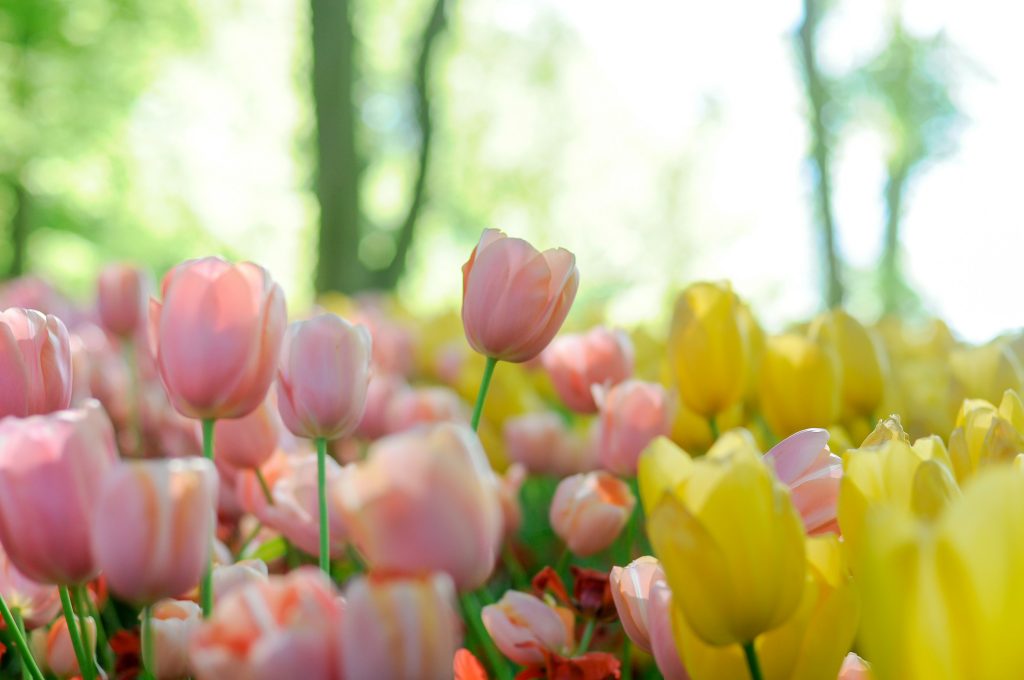
When people think of tulips, the Netherlands often comes to mind — fields of color, festivals, and a thriving flower industry. Yet the story of tulips begins far earlier, in the mountains of Central Asia, where their wild ancestors still grow.
Scientific records confirm that Kazakhstan, Kyrgyzstan, Uzbekistan, and Tajikistan are home to 63 unique tulip species, representing more than half of the world’s tulip diversity. According to Botanic Gardens Conservation International (BGCI), nearly 50% of Central Asia’s wild tulip species are now threatened by climate change, overgrazing, and unsustainable harvesting.
Losing them would mean erasing genetic resources that underpin the resilience of cultivated tulips and the biodiversity they support. The Netherlands may symbolize tulip culture today, but without protecting their origins in Central Asia, the future of tulips everywhere is uncertain.
Conservation is not about preserving beauty alone — it is about safeguarding ecosystems, cultural heritage, and the genetic foundation of one of the world’s most beloved flowers.
Wild tulips also play an ecological role: stabilizing fragile mountain soils, supporting pollinators, and maintaining balance in regions vulnerable to desertification. Their disappearance would ripple across entire ecosystems.
For centuries, tulips have been celebrated in Central Asian poetry, textiles, and traditions. Their journey along the Silk Road shaped art and culture across continents. Protecting them is also about honoring the communities whose identity is tied to these flowers.
Each wild species carries unique genetic traits — drought resistance, disease tolerance, or adaptability to extreme climates. These traits are vital for breeders seeking to secure the future of cultivated tulips against global challenges such as rising temperatures and shifting rainfall patterns.
Local initiatives, supported by international organizations, are working to establish protected areas, seed banks, and community-led stewardship programs. Yet funding and awareness remain limited. Without stronger collaboration, many species could vanish within decades.
Safeguarding tulips requires global solidarity. Supporting conservation in Central Asia is not only about saving flowers — it is about investing in biodiversity, climate resilience, and cultural continuity. Every effort, from research to community engagement, helps ensure that future generations can still marvel at tulips in bloom.